
The Sinking City 2 Launch Brief: They Sunk the Detective and Unleashed the Monsters

Quick Verdict
The Sinking City 2 launched on August 18, 2026, and the biggest thing you need to know is simple: this is a proper survival-horror game now.
Frogwares has dramatically reduced the detective-heavy structure of the original The Sinking City and rebuilt the sequel around exploration, scarce supplies, limited inventory, puzzles, backtracking and fighting things that look like seafood developed a personal grievance against humanity.
And, remarkably, the gamble appears to have worked.
Early critical reception is strong, with The Sinking City 2 sitting around 79 on Metacritic and 81 on OpenCritic at launch. The atmosphere and exploration are receiving particularly strong praise, while combat, inventory friction and some unmistakable AA roughness remain the bits most likely to make you mutter obscenities at your television.
This isn't a final CRIMENET review. Launch-day player evidence and the wider technical picture are still developing. But we already know what Frogwares actually built.
And it isn't The Sinking City with prettier puddles.
If flooded Arkham has put you in the mood for more cosmic misery, head into Static Dread: The Submarine next. Different nightmare, same basic principle: humanity discovered something it absolutely should have left the hell alone.
What The Sinking City 2 Actually Is
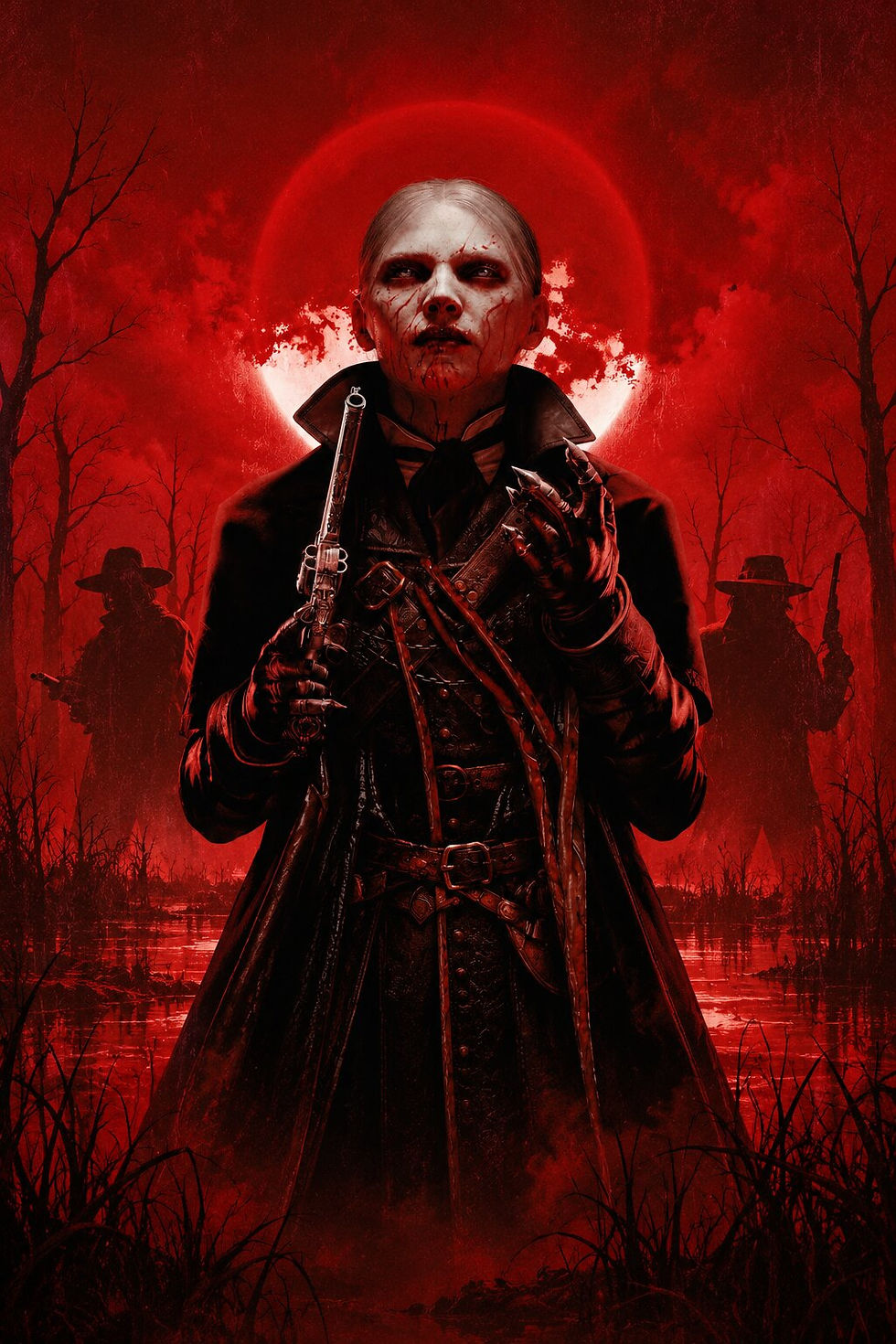
You play Calvin Rafferty, an occult adventurer exploring a flooded, supernatural Arkham while trying to save his partner Faye Bennett from a supernatural coma.
That sounds very Lovecraft.
What you actually spend your time doing sounds considerably more Resident Evil.
You explore interconnected areas, search rooms for supplies, manage ammunition and healing items, solve environmental puzzles, unlock routes and fight grotesque creatures while deciding whether whatever is behind the next door deserves one of your increasingly precious bullets.
There are firearms, melee attacks and dodging. Resources can be crafted. Inventory space is restricted. Safe rooms and storage exist. Optional exploration can reward you with weapons and inventory upgrades.
Backtracking matters too. Previously explored areas can become dangerous again as monsters repopulate them, meaning the route you confidently cleared earlier can suddenly resemble a council estate after somebody announced free televisions.
That's where The Sinking City 2 seems to understand survival horror properly.
The monster isn't frightening merely because it has seventeen elbows and a face designed by Satan's marine-biology department.
It's frightening because you have six bullets.
Frogwares Has Changed the Entire Job Description
The first Sinking City was built heavily around investigation.
The sequel isn't.
Detective mechanics haven't vanished completely. Some puzzles and optional exploration still involve clues and a reduced mind-map system. But investigation has been demoted from chief executive to bloke occasionally asked whether he remembers the Wi-Fi password.
Survival horror runs the company now.
That is a potentially dangerous decision because Frogwares has willingly abandoned one of the features that distinguished The Sinking City from dozens of other horror games.
It also appears to be precisely why the sequel works better mechanically.
The environments are built around the pleasures of survival-horror exploration: finding locked routes, remembering inaccessible areas, scavenging useful resources and gradually understanding spaces that initially feel hostile and unknowable.
Restricted inventory makes every supply run a negotiation. Ammunition competes with other resources. Crafting draws from limited materials. Optional exploration can make Calvin better equipped, but exploring also means deliberately entering places that Arkham has decorated with homicidal calamari.
That tension is the good stuff.
A locked door isn't merely a locked door.
It's an accusation.
You know there's probably something useful behind it. You also know the game didn't scatter ammunition around because it wants you to celebrate responsible firearm ownership.

For another CRIMENET horror rabbit hole, read our Creepshow coverage. Because apparently surviving one collection of grotesque horrors wasn't enough and you've decided tonight should end badly.
The Horror Isn't Decorative
This matters because Lovecraftian games have spent years discovering increasingly creative ways to put tentacles on ordinary videogame mechanics and declare the matter settled.
The Sinking City 2 appears considerably more committed.
Its horror is structural.
Dangerous exploration, limited resources, hostile backtracking, oppressive environments and grotesque enemies all feed into the same survival loop. The flooded Arkham setting isn't simply something pretty and horrible to photograph while Calvin jogs between quest markers.
The environments themselves create vulnerability.
And when the game is operating properly, that vulnerability seems to survive outside scripted boss encounters.
That's enormously encouraging.
Cosmic horror frequently struggles in games because incomprehensible existential terror becomes considerably less incomprehensible after you've shot it eleven times with a shotgun.
The Sinking City 2 cannot completely escape that problem, but scarcity gives the monsters leverage. A creature doesn't need to be invincible when killing it means spending resources you desperately wanted for whatever fresh bastard is living downstairs.
Where the Cracks Already Show
Combat has improved substantially from the original, particularly through more responsive encounters and the addition of dodging.
It still isn't the star.
Gunplay has been described as functional rather than spectacular, and some mandatory combat encounters apparently become generous enough with ammunition that the survival tension briefly wanders outside for a cigarette.
That's a problem.
If you've spent hours teaching the player that every bullet matters, throwing ammunition around before a major fight is the horror equivalent of carefully building Dracula for ninety minutes before revealing he's allergic to Tesco garlic bread.
Inventory management also seems capable of crossing the border between meaningful restriction and administrative irritation.
Limited inventory is excellent when it forces painful decisions.
It is considerably less excellent when the principal emotion becomes wishing Calvin had discovered pockets.
There are other visible signs of the game's AA scale: enemy variety has attracted criticism, character presentation isn't consistently luxurious, and the ending has been described as abrupt.
None of those currently appear fatal.
They do prevent the early praise from turning into an uncontrolled parade.
How Does It Run?
The technical picture looks reasonably encouraging so far, but this is the part of launch that still needs time.
PS5's 60fps Performance mode has received positive reports, although image quality can become noticeably softer. The Quality mode has attracted more criticism.
PC evidence is less settled. Earlier testing found respectable performance on powerful hardware alongside occasional stuttering, but launch-day evidence across the enormous zoo of PC configurations is still developing.
There isn't enough evidence yet to declare the PC version either a technical triumph or another Unreal Engine 5 crime scene surrounded by shader-compilation tape.
Early Steam reception is extremely positive, with roughly 95% positive reviews from around 200 users at the time of writing.
Encouraging?
Absolutely.
A mature verdict on a 12-to-15-hour game approximately five minutes after everybody downloaded it?
Steady on.

Want the rest of the week's crimes, monsters, disasters and GTA opportunities without excavating the entire site yourself? This Week in CRIME is CRIMENET's weekly underworld briefing, containing only the things actually worth knowing.
Should Horror Fans Care?
Yes.
Not because The Sinking City 2 has Lovecraft's name lurking somewhere in its family tree.
Because Frogwares appears to have actually understood the survival-horror machinery required to make Arkham dangerous.
Exploration matters. Resources matter. Inventory matters. Backtracking matters. Monsters impose costs even when you successfully kill them. Optional curiosity can make you stronger while simultaneously providing several excellent opportunities to be eaten.
The great irony is that The Sinking City 2 may have become a more interesting game by becoming less interested in being The Sinking City.
Frogwares threw much of its detective identity overboard and replaced it with survival horror.
So far, the corpse hasn't floated back up.
The Sinking City 2 FAQ
Is The Sinking City 2 a survival-horror game?
Yes. Survival horror is now the main event, with scarce resources, limited inventory, exploration, puzzles, backtracking and considerably more monsters interested in rearranging your organs.
Do you need to play the first The Sinking City?
The sequel follows a new protagonist, Calvin Rafferty, and substantially changes the gameplay focus, so it isn't simply The Sinking City: Part Two, Please Remember Your Homework.
Is The Sinking City 2 still a detective game?
Not primarily. Investigation mechanics remain in reduced form, but Frogwares has pushed detective work into the background while survival horror takes over the building and changes the locks.
How long is The Sinking City 2?
Current launch evidence puts the main experience at roughly 12–15 hours, depending on exploration and optional content.
Is The Sinking City 2 worth playing?
Early evidence says yes for survival-horror fans. The atmosphere, exploration and horror systems are earning strong praise, although combat, inventory friction and some AA roughness keep Arkham from achieving immaculate tentacle perfection.


Comments